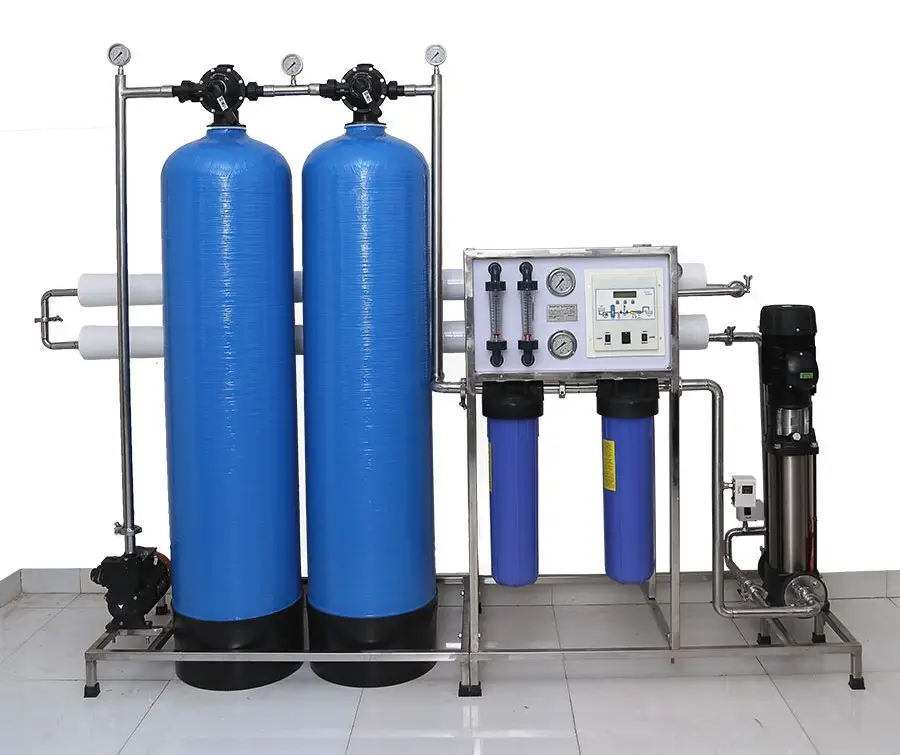

Manual Multiport Valves are an essential component for fluid management systems in drinking water treatment plants, swimming pool systems, and filtration systems. Although these are designed to be long-lasting and effective, improper use can lead to excessive downtime and/or poor performance, and/or system breakdown and malfunction.
At Terra Water, a reputable provider of Manual Multiport Valves, we’ve experienced firsthand how even the most basic operation oversight can lead to significant maintenance/repair challenges. This article will expand on the six most common mistakes users make when operating Manual Multiport Valves and how to avoid them.
Regardless of whether you’re a plant operator, technician or system designer, knowing these mistakes could save your team valuable time, money and resources.
1. Operating the Valve While the Pump is Running
Why This is a Serious Mistake
This is probably the most common and expensive mistake. When the pump is running, the pressure builds up in the system. If you try to turn a Manual Multiport Valve under pressure, the results could be damaged gaskets, a broken valve handle, and a stressed system. The internal parts, like the spider gasket, can come apart, causing the system to leak and ultimately cease operation.
Manual Multiport Valves are not intended to be turned during changes of pressurized flow. Turning a Manual Multiport Valve with the pump on is the same as attempting to change gears in a car without pushing in the clutch. One of these times, something is going to break.
How to Avoid the Mistake
- Always turn off the pump when changing the valve. Wait 10-15 seconds to let the pressure relieve.
- Train your staff through SOP’s and hands on training.
- Utilize signage in operator areas to remind them of the operating sequence.
At Terra Water, we include valve safety training at each installation to avoid this risk.
2. Forcing the Valve Handle Between Positions
What Makes This a Significant Error
Manual Multiport Valves operate in distinct labeled positions such as “Filter”, “Backwash”, “Rinse”, etc. Each position is designed with a specific flow path by aligning internal passages accordingly. A forced, half-way handle position does not allow for the appropriate flow path and can lead to incomplete flow, cross-leakage, and internal damage.
Diverter rotors, spider gaskets, and seat rings are not designed to accommodate unclear positions. Misaligned positions create mechanical friction, create pressure loss, and inevitably create valve failures.
Avoiding this Error
- This is simple for the user of the valve! Move the valve handle in a smooth circular motion until it locks in position.
- Movement with sudden or jerky motions is never appropriate when operating the handle.
- If there is resistance to the handle, it is far better to evaluate bypass or mechanical error, than to force it to act correctly.
“All Terra Water valves have designed clearly labeled lock positions and ergonomic handles to prevent user misalignment.”
3. Ignoring Routine Maintenance and Lubrication
Why This Is a Serious Mistake
Over time, debris, scale, or chemical residue can build up on and inside your Manual Multiport Valve, causing stiff movements and leak occurrences. Dry O-rings and dirty gaskets are typical reasons for stiff handles and water bypassing.
The misunderstanding is that because these valves are manual and tough, they require little to no preventative maintenance. Even the most robust valve will deteriorate over time without preventative maintenance.
How to Avoid This Mistake
- Have maintenance done every 3–6 months depending upon system usage.
- Put a silicone-based lubricant on the valve shaft and O-rings.
- Look at the spider gasket and remove any debris from the valve head.
“Terra Water has preventative maintenance kits and instructions for our Manual Multiport Valves.”
4. Using the Wrong Valve Setting
Why This Is a Critical Mistake
Incorrect valve settings can waste water, reduce filtration efficiency, and potentially damage equipment. For example, setting the valve to “Backwash” instead of “Filter” can cause water loss and inadequate circulation.
Many operators, especially in high-turnover environments, lack clarity on the valve positions or switch settings without understanding the consequences.
How to Avoid This Mistake
- Train every operator on each valve setting’s function and importance.
- Use custom labeling if the original print is faded or unclear.
- Consider using valves with indicator windows or visual alignment guides.
“Our valves at Terra Water feature high-contrast labels and click-lock indicators for safe, mistake-free operation.”
5. Failing to Depressurise the System
Why This Is a Critical Mistake
Before changing the setting on your Manual Multiport Valve, the system must be depressurized. If this step is skipped, internal pressure can force water into undesired channels, create backflow issues, or cause the valve’s lid to pop unexpectedly.
Worse yet, operators risk injury from high-pressure water bursts.
How to Avoid This Mistake
- Shut off the pump before any operation.
- Open an air relief valve or pressure release system.
- Wait a minimum of 30 seconds before engaging the valve.
“At Terra Water, we design systems with built-in relief valves for safe valve operation.”
6. Delaying Replacement of Gaskets and Seals (H2)
Why This Is a Critical Mistake
Over time, the internal gaskets, especially the spider gasket in the diverter assembly, begin to wear. Delaying replacement can cause:
- Internal bypassing of water
- Reduction in pressure and performance
- Contamination between flow paths
Ignoring worn seals may eventually require complete valve replacement — a much costlier solution.
How to Avoid This Mistake
- Inspect gaskets annually, especially in harsh or chemical-rich environments.
- Replace gaskets every 12–18 months or when damage is evident.
- Use only OEM-quality replacement parts.
“Terra Water provides spare part kits and video tutorials to make gasket replacement a breeze.”
The Bigger Picture: Why These Mistakes Matter
Small operational mistakes with Manual Multiport Valves can have ripple effects across your water management system:
- Increased downtime due to leaks or breakdowns
- Reduced system lifespan and higher maintenance costs
- Safety risks for operators in high-pressure setups
- Environmental impact through water waste or contamination
By understanding and correcting these six mistakes, you ensure system integrity, cost-efficiency, and optimal performance.
Bonus Section: Best Practices from Terra Water
To help our clients maintain and optimize their Manual Multiport Valves, here are some expert practices:
- Keep a maintenance log for each valve.
- Store backup gaskets and O-rings on-site.
- Periodically flush the system to prevent clogging.
- Use Terra Water’s QR-coded instruction guides for fast reference.
Conclusion
Manual Multiport Valves are incredibly reliable and user-friendly, but only when treated with care. By avoiding these six common mistakes and following simple preventive steps, your system will continue to run smoothly and efficiently for years.
At Terra Water, we’re more than just a supplier — we’re your water system partner. From advanced valve engineering to lifetime support, we’re here to help you protect your investment and improve operational safety.
Need help with your valve system? Contact Terra Water for installation guidance, maintenance kits, or expert troubleshooting.