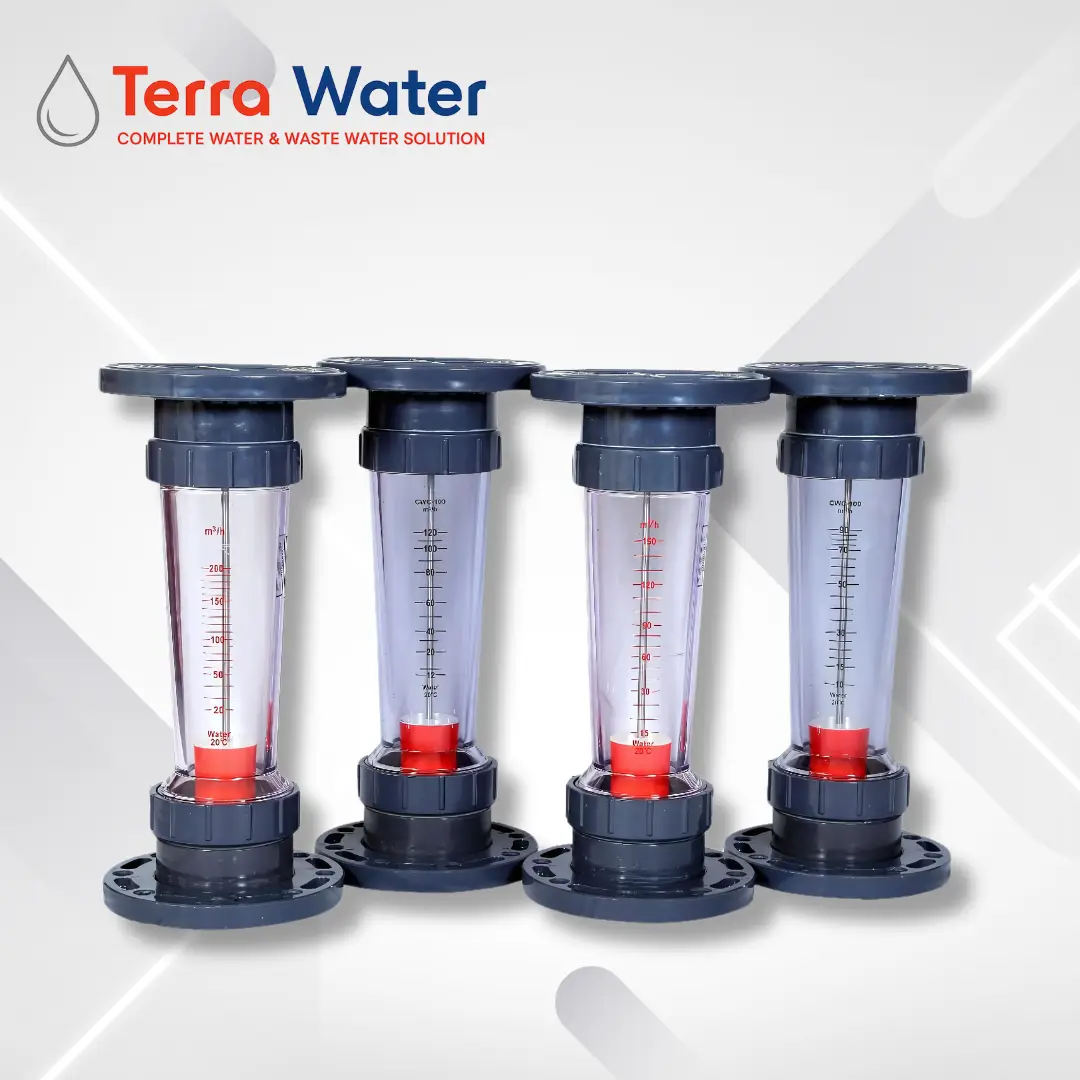
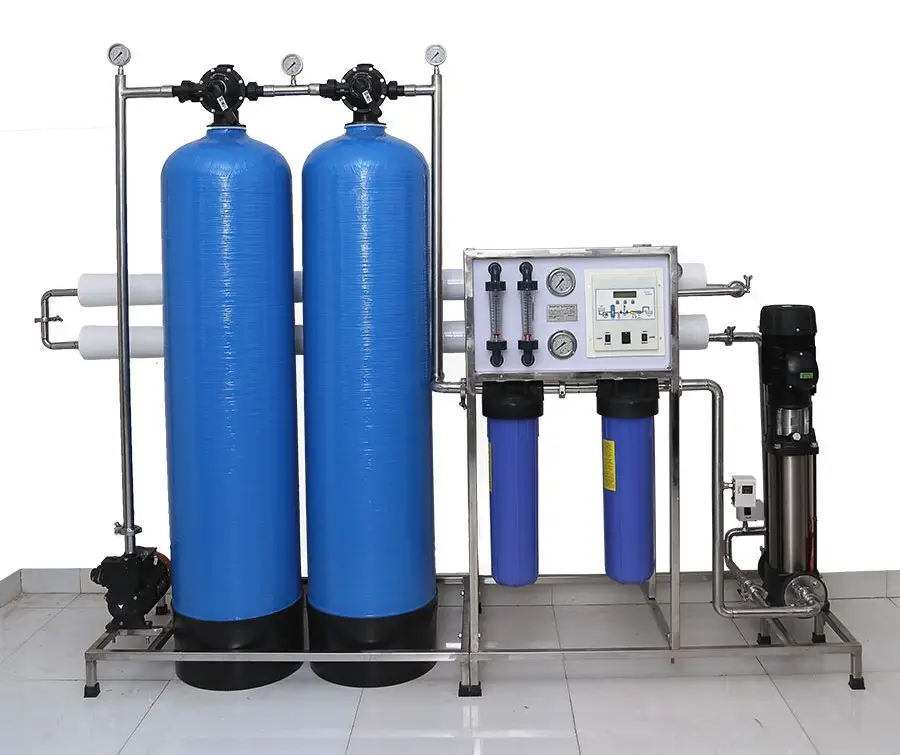
A popular and incredibly dependable tool for determining the flow rate of gases and liquids in a closed tube system is a rotameter. The rotameter is a vital instrument in a variety of industries, including water treatment, chemical processing, pharmaceuticals, laboratories, and HVAC systems. It is a member of the variable area flowmeter family and operates on a straightforward but incredibly efficient basis.
Working Principle – Variable Area Flow Measurement
The rotameter works on the variable area principle, which states that the fluid’s velocity affects the cross-sectional area available for fluid flow. It is composed of a tapered, vertically oriented tube, usually composed of metal, plastic, or glass, and a float (also known as a plummet) that is free to rise and fall inside the tube.
The fluid exerts an upward push on the float when it enters the tube’s bottom and flows upward. The float then rises until the gravitational force acting on it equals the force from the fluid flow. The float stays suspended at this equilibrium point, which is closely related to a particular flow rate.
Both buoyancy and the fluid’s velocity head affect the float’s position in liquids. The velocity head is the sole factor that matters for gases. The position of the float affects the annular area between it and the tube’s inner wall, which permits varying amounts of fluid to flow through. Because each float point represents a distinct flow rate, users can get incredibly precise and consistent readings.
Material for Rotameter Parts.
- Joint Fittings: PVC
- Male & Female thread: PVC
- Taper tube: PC
- Floats: ABS
Connection Mode of Rotameter
- Intubation connection
- Internal & external thread
- Panel mounting